Attending Bishwa Ijtema in Bangladesh? Best Flight Deals and Travel Tips
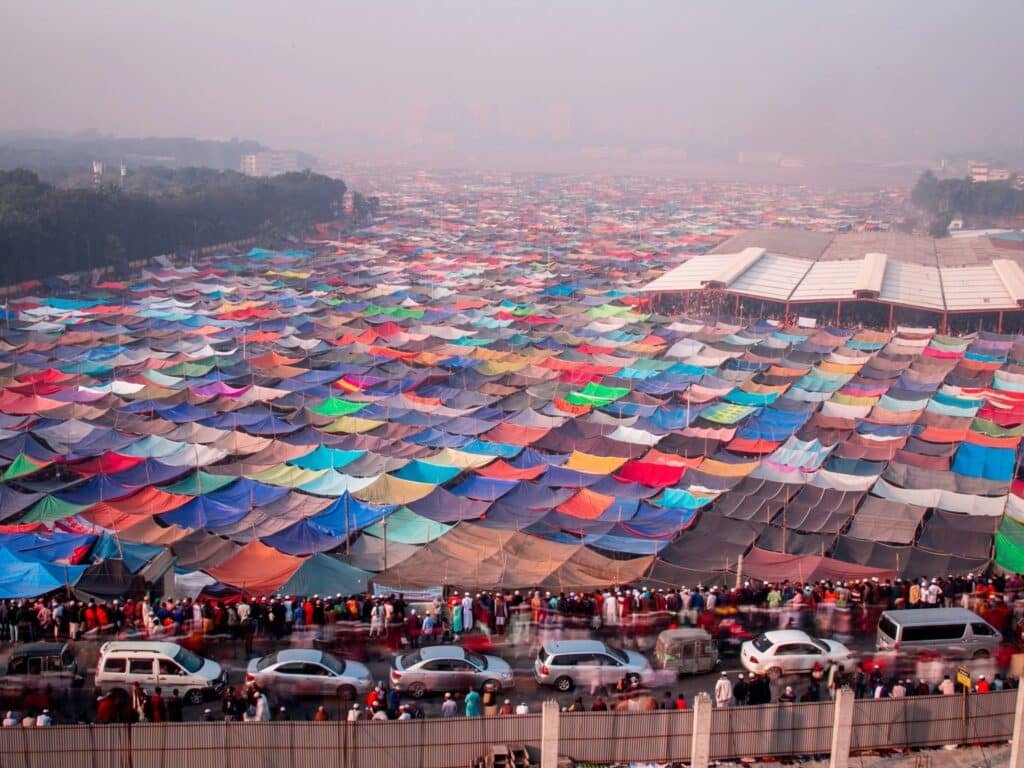
Every year, thousands of Muslims travel to Bangladesh from more than 100 countries to attend Bishwa Ijtema. It is one of the largest Islamic gatherings in the world. The event takes place in Tongi, just north of Dhaka. It’s located along the banks of the Turag River.
Usually, Bishwa Ijtema takes place in January and often runs in two phases over two consecutive weekends.
If you want to attend Bishwa Ijtema in Bangladesh, you need to secure affordable flights, understand visa rules, and prepare for large crowds and basic living conditions. Airfares to Dhaka can rise sharply as the event approaches.
Hotels near Tongi and central Dhaka also fill quickly. Delays at immigration and heavy road traffic are common during peak days. So, careful planning early can reduce costs and stress.
Best Airports to Fly Into Bangladesh for Bishwa Ijtema
The main international gateway is Hazrat Shahjalal International Airport. It handles the vast majority of international flights into Bangladesh. Also, serves as the primary entry point for pilgrims travelling to Tongi.
For most international visitors, flying directly into Dhaka remains the fastest and most convenient option.
The airport has three terminals and serves more than 8 million passengers annually. During Bishwa Ijtema, passenger numbers rise significantly. Immigration queues can be long, particularly on Thursdays and Fridays before the main prayer days. You should allow extra time for arrival formalities, baggage collection, and currency exchange.
There are two other international airports in Bangladesh:
Shah Amanat International Airport in Chattogram and Osmani International Airport in Sylhet. However, these airports are not practical entry points for Ijtema unless you plan additional travel within the country. From Chattogram, you would face a road journey of around 6 to 8 hours to reach Dhaka. From Sylhet, the drive can take 5 to 7 hours depending on traffic and road conditions.
Airlines Offering Flights to Dhaka for Bishwa Ijtema
Hazrat Shahjalal International Airport connects Bangladesh with major cities across Asia, the Middle East, Europe, and beyond.
Biman Bangladesh Airlines
The national carrier, Biman Bangladesh Airlines, operates direct flights from cities such as London, Dubai, Kuala Lumpur, and several Middle Eastern hubs. Direct flights reduce travel time and lower the risk of missed connections. However, ticket prices often rise quickly as January approaches.
Emirates, Qatar Airways and Turkish Airlines:
Many travellers prefer Middle Eastern airlines because of their strong global networks and competitive pricing.
- Emirates flies to Dhaka via Dubai and offers connections from Australia, Europe, and North America.
- Qatar Airways connects through Doha and is known for reliable schedules and modern aircraft.
- Turkish Airlines provides routes via Istanbul, which works well for travellers from Europe and parts of Africa.
Visa Requirements for International Visitors
Bangladesh offers a visa on arrival to citizens of selected countries, including Australia, the UK, the US, Canada, and many EU nations. However, eligibility can change. Immigration officers at Hazrat Shahjalal International Airport make the final decision. You should always check the latest rules through the official Bangladesh High Commission or embassy in your country before travelling.
If you plan to apply for a tourist visa in advance, you will usually need
- A valid passport with at least six months’ validity
- A completed visa application form
- Recent passport-sized photos
- Proof of return flight, and
- Hotel booking details or an invitation letter.
Visa fees also differ depending on nationality and visa type. Some countries have reciprocal fee arrangements with Bangladesh. Confirm the exact cost through official channels to avoid confusion at the airport.
How to get from Dhaka Airport to Tongi
After landing at Hazrat Shahjalal International Airport, your next step is reaching Tongi, where Bishwa Ijtema takes place. Tongi is located 7 to 10 kilometres away from the airport. In light traffic, the drive can take 20 to 30 minutes. During peak hours or on the main Ijtema days, travel time can stretch to 60 to 90 minutes due to heavy congestion.
You have several transport options from the airport:
Private car hire: Many visitors arrange a private vehicle through their hotel or a local contact. This option offers convenience. Confirm the pickup point clearly, as airport exit areas can become crowded.
Ride-sharing services: App-based ride share services, such as Uber, Pathao, and Obhai, operate in Dhaka and provide upfront fare estimates. They are generally affordable compared to Western standards. However, high demand during Bishwa Ijtema can increase waiting times and fares.
Airport taxis: Official airport taxis are available outside the terminal. Always agree on the fare before departure if the vehicle does not use a metre. Keep small notes in Bangladeshi Taka to avoid payment issues.
Public buses: Local buses operate between the airport area and Tongi. They are inexpensive but often crowded, especially during the event. This option suits experienced travellers who are comfortable with local conditions. If you are a first-time user here, we don’t recommend this option.
Accommodation During Bishwa Ijtema
Several million participants gathering in Tongi over a short period. So the demand for space rises sharply. You need to decide early whether you will stay at the Ijtema grounds or book accommodation in Dhaka. You should choose the right accommodation based on your priorities.
Staying at the Ijtema grounds:
Many pilgrims choose to stay directly at the Tongi grounds along the Turag River. Organisers allocate sections based on districts and countries. Facilities are basic. You will sleep in large tents or open areas, often on mats or thin bedding. There are shared washrooms and limited privacy.
This option allows full participation in prayers and lectures without daily travel. However, you must prepare for crowded conditions.
Hotels in Dhaka:
If you prefer more comfort, book a hotel in Dhaka. Areas such as Uttara, Banani, and Gulshan offer a wide range of hotels, from budget options to international chains. Uttara is closest to Tongi and to Hazrat Shahjalal International Airport, making it a practical choice for shorter travel times.
Hotel prices increase during the Ijtema period. Rooms can sell out weeks in advance. In recent years, mid-range hotel rates in Dhaka during peak season have ranged from AUD 60 to AUD 150 per night, depending on location and facilities. Book early and confirm your reservation directly with the property.
Guesthouses and budget stays near Tongi:
You may find small guesthouses and local lodges near Tongi. These are more affordable but often offer limited amenities. Check recent reviews before booking. Cleanliness and water supply can vary.
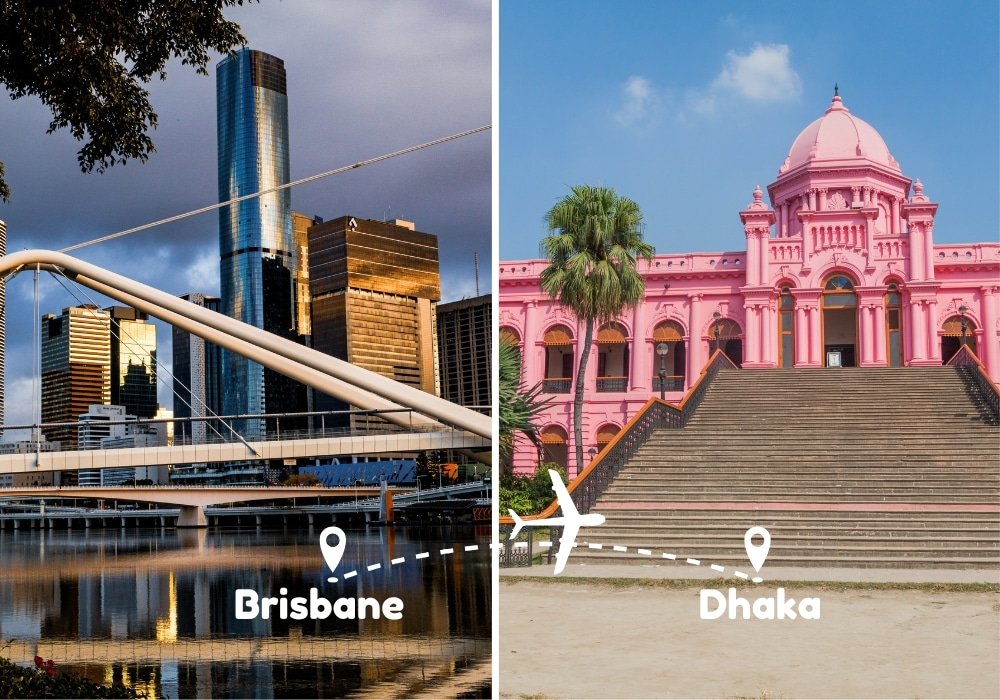
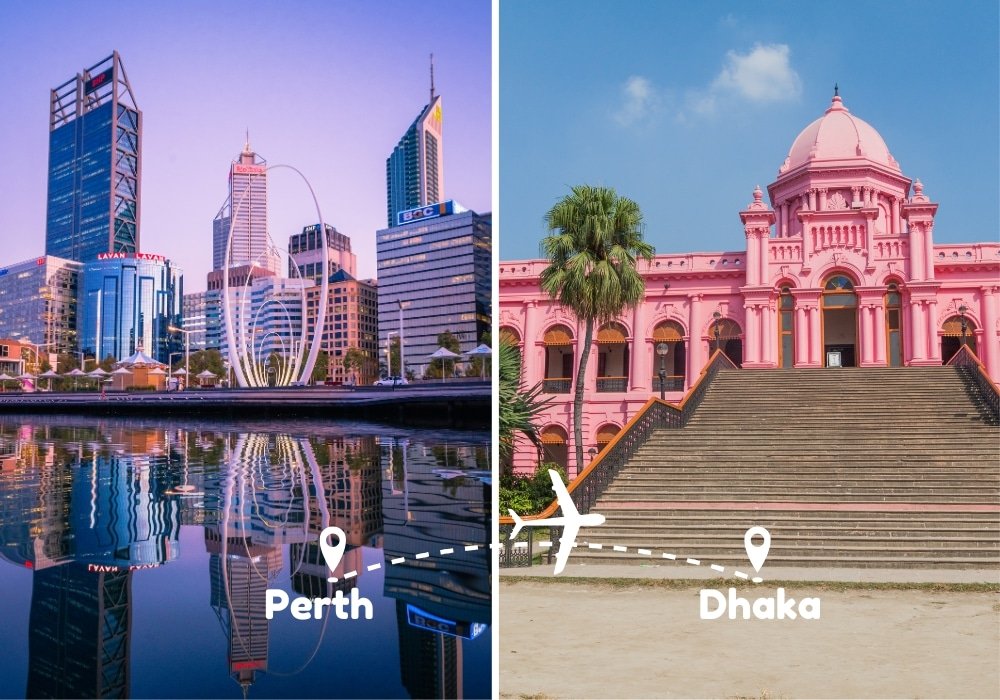
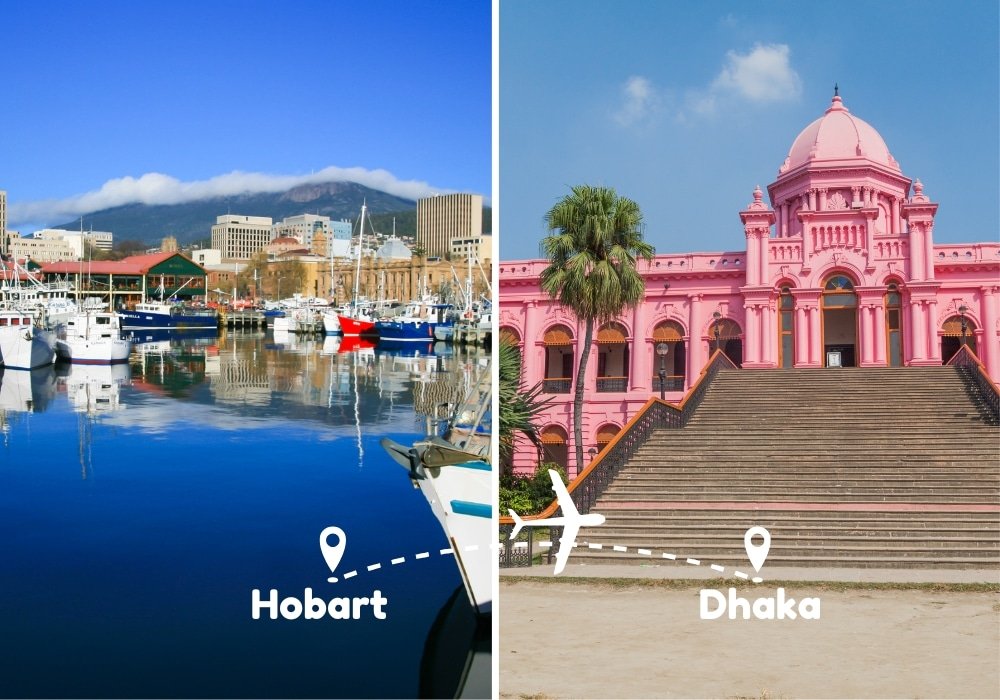
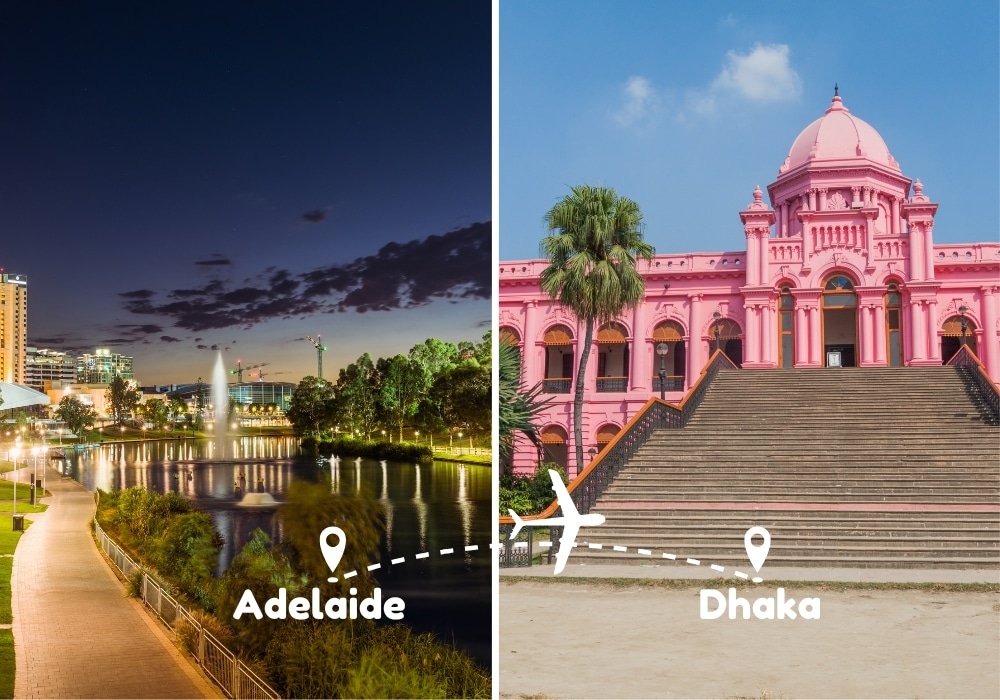
Check the Best flight Deals from Australia
Practical Travel Tips for First-Time Attendees
Attending Bishwa Ijtema requires preparation.
- Pack light but smart. Bring only essentials such as comfortable, modest clothing suitable for prayer and long hours outdoors. January in Bangladesh is generally mild, with daytime temperatures around 20 to 25 degrees Celsius. Early mornings and nights can drop below 15 degrees, so pack a light jumper or shawl.
- Include basic bedding if you plan to stay at the grounds. A thin mattress, sheet, and small pillow can make a big difference. Add a refillable water bottle, hand sanitiser, tissues, a torch, a power bank, and essential medicines. Pharmacies exist in Dhaka, but access near the Ijtema site may be limited during peak days.
- You need to stay hydrated and eat carefully. With millions gathered in one area, food stalls and temporary kitchens operate around Tongi. Try to choose busy vendors with fresh turnover, and drink properly filtered water.
- Large crowds increase the risk of lost items. Use a small cross-body bag for valuables and avoid carrying large amounts of cash. Bangladesh uses the Bangladeshi Taka, and ATMs are widely available in Dhaka. Withdraw moderate amounts rather than carrying everything at once.
- Stay with your group and set clear meeting points. Mobile networks can slow down due to high usage, so do not rely only on phone calls.
- Buy a local SIM card at Hazrat Shahjalal International Airport on arrival. Data packages are affordable and help with maps and communication.
- If you have respiratory conditions, consider bringing a mask and resting when needed. For older attendees, long hours on your feet can cause fatigue.
FAQ’s
Is Ijtema open to non-Muslims?
Yes, non-Muslims can attend the Bishwa Ijtema. Organisers permit people of all faiths to visit and observe the gathering. However, very few Western non-Muslims have attended historically, so you will stand out. Maintain respect at all times, dress modestly, and avoid photographing people during prayer.
How often is Ijtema held?
The Bishwa Ijtema takes place once every year. Since 2011, organisers have split the event into multiple phases to manage the growing number of participants. The gathering typically occurs in January, though sometimes shifts to February based on government decisions and other factors.
How to know the Ijtema schedule in Bangladesh?
You can find the official schedule through government announcements from the Home Affairs Adviser, statements from Tabligh Jamaat media coordinators, and reports from Bangladeshi English-language news outlets. These announcements typically come several months before the event, with dates finalised between October and December for the following year.
Are you planning to book flights for the next Ijtema and need the latest deal alerts?
Airways Travel specialises in helping Australian travellers reach the Bishwa Ijtema affordably and stress-free. We monitor flight prices year-round and alert our clients when fares drop for Dhaka. Our team understands the specific needs of Ijtema attendees and can arrange group bookings, extra baggage allowances, and flexible dates that suit the gathering schedule.
Call us now on 1300 123 456 for a personalised quote from your city. Our consultants will find you the best route, compare airlines, and secure your seats before prices rise.