
How to Book Cheap Flights During Eid-ul-Adha: A Complete Guide
Eid-ul-Adha is one of the busiest travel periods of the year. During this period, flight prices soar as families and pilgrims plan their journeys. So finding affordable tickets requires strategy, not luck. You need careful planning, flexible dates, and smart booking habits. This blog is to secure you cheaper flights without compromising comfort or convenience.

Steps to Find Budget-Friendly Flights for Eid-ul-Adha Travel
Cheap flights exist during Eid-ul-Adha. You just need to know where to look and when to book. Airfares usually rise as demand increases, especially on popular international routes to South Asia and the Middle East.
Here are some just practical steps you can use right now.
Best Time to Book Cheap Flights for Eid-ul-Adha 2026
For peak travel seasons like Eid, most travel data suggests booking international flights 8 to 12 weeks in advance. According to global airfare studies by platforms such as Expedia and Skyscanner, travellers can often secure better fares by booking at least two to three months before departure during high-demand periods.
If you are heading for Eid-ul-Adha 2026, remember demand will likely surge around late May and early June, depending on moon-sighting confirmations. So if you plan to travel during the peak week, start tracking prices by February or March 2026. Set alerts early. Monitor fare trends. Then book when you see a reasonable price rather than waiting for a dramatic drop that may never happen.
Avoid the Peak Booking Window
Before one month of Eid, flight prices usually spike. Airlines use dynamic pricing systems. When seats fill up, fares automatically increase. During religious holidays, flights often reach high occupancy levels weeks in advance.
Suppose you are travelling from Australia to destinations like Pakistan, Bangladesh, Indonesia, or Saudi Arabia, expect limited seat availability closer to Eid. Non-stop flights sell out first. Indirect routes may remain available, but they rarely stay cheap. So book early, and avoid the peak window
Best Days to Fly During Eid Season
Your travel dates matter as much as your booking date. Flights departing two to three days before Eid are usually the most expensive. Return flights on the final weekend of the holiday period also carry higher fares.
If your schedule allows flexibility, consider:
- Flying 5 to 7 days before Eid
- Returning mid-week instead of Sunday
- Departing on a Tuesday or Wednesday
Mid-week departures often cost less than Friday or weekend flights. Airlines see higher demand on Fridays and Sundays because most travellers prefer those days.
Even shifting your departure by 24 to 48 hours can reduce the airfare significantly. On some international routes, that small adjustment can save hundreds of dollars per ticket.
Smart Tips to Find Cheap Eid Flights
Booking early alone will not guarantee the lowest airfare. You also need smart search habits. During Eid-ul-Adha, airlines will adjust fares quickly based on demand, seat availability, and route popularity. The travellers who compare, track, and stay flexible usually pay less.
Here are practical strategies that work.
Use Flight Comparison Websites
Do not rely on a single airline website. Compare fares across multiple platforms before you book. Websites like Skyscanner, Google Flights, and Kayak scan hundreds of airlines and online travel agencies in seconds.
Price alerts are especially useful during peak travel seasons. If you start monitoring fares 10 to 12 weeks before Eid, you can spot patterns. When fares drop within your budget range, book immediately. During busy periods, prices can rise within hours.
Always double-check the final price on the airline’s official website before payment. Some third-party platforms add service fees at checkout.
These tools help you:
- Compare ticket prices across different carriers
- View flexible date calendars
- Track price changes over time
- Set fare alerts
Flexibility with Travel Dates
Flexibility is one of the biggest money-saving tools. Flights departing one or two days before Eid often cost significantly more than flights leaving earlier in the week.
Thus, if possible, travel 5 to 7 days before Eid and return mid-week instead of Sunday. You can also choose early-morning or late-night departures for better flexibility. Shifting your departure by just one day can reduce fares by 10 to 20 per cent on high-demand routes.
For long-haul flights from Australia to South Asia or the Middle East, that difference can mean hundreds of dollars per ticket. Even small changes create noticeable savings.
Consider Alternative Airports
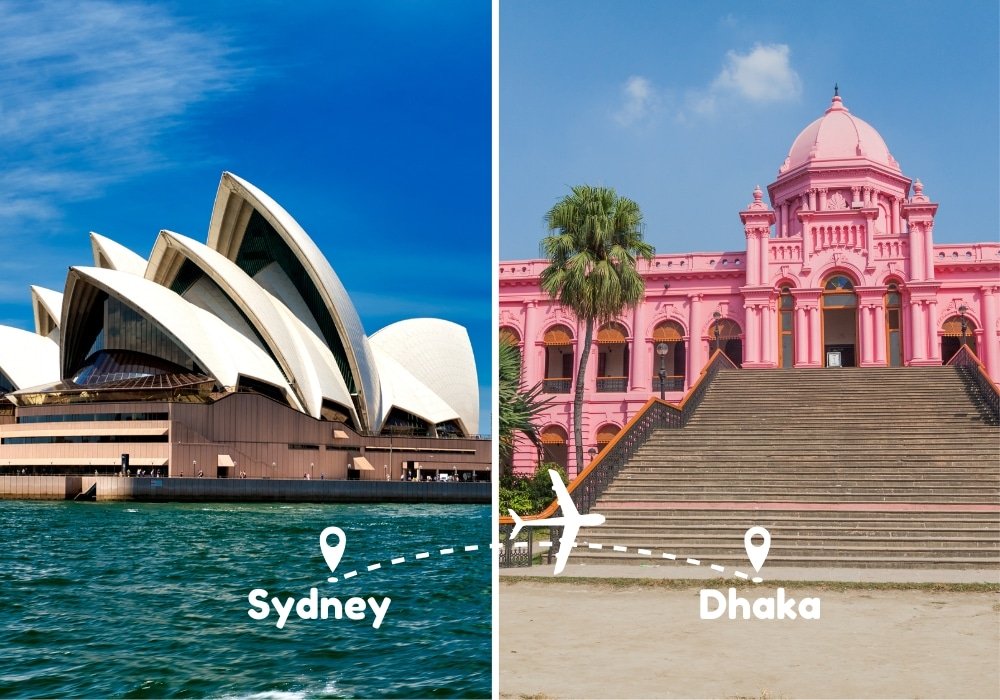
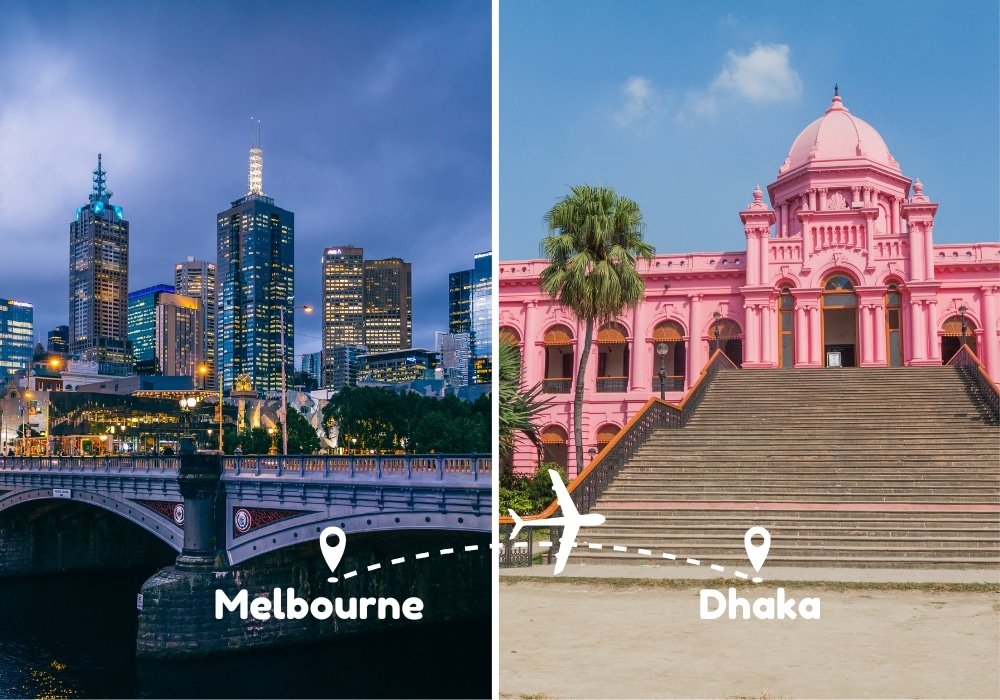
Major international airports usually charge higher airport taxes and attract stronger demand. That pushes ticket prices up. For example, if you live in Sydney, compare flights from Melbourne or Brisbane. Sometimes, a short domestic connection combined with a long-haul flight costs less than a direct international departure from your nearest airport.
At your destination, check nearby airports as well. For example, flying into a secondary airport and taking ground transport may reduce your overall travel cost. Always compare total travel time and transfer costs before making a decision. Cheap flights only make sense if the savings are real.
Book Return Tickets Instead of One Way
Return tickets often cost less than two separate one-way fares. Airlines price round-trip tickets more competitively, especially on international routes. Before confirming your booking, compare one-way outbound plus one-way return. Must check pricing for a standard return ticket. Don’t forget to compare multi-city options.
In many cases, a return flight during Eid season provides better value and more protection if schedule changes occur.
Airline Miles and Credit Card Points
During high-demand periods, using points wisely can save more than waiting for a discount that may never appear. Peak seasons are the best time to use reward points. Cash fares rise sharply during Eid, but redemption rates sometimes remain fixed within airline loyalty programs.
Thus, check availability early. Popular routes fill quickly for reward seats. Review blackout dates and additional taxes before confirming. If you have Australian travel credit cards that earn frequent flyer points, redeeming them for part of your fare can significantly reduce out-of-pocket costs.
Cheapest Destinations to Travel During
Airfares rise sharply on routes with high family travel demand, especially between Australia and South Asia or the Middle East. But some destinations really remain relatively affordable because demand patterns differ.
- Flights to countries with large diaspora communities usually become expensive before Eid. Routes to Pakistan, Bangladesh, and Saudi Arabia often sell out weeks in advance. Non-stop flights are the first to increase in price.
- In contrast, leisure-focused destinations sometimes offer better value. Parts of Southeast Asia, such as Bali and Kuala Lumpur, may still have competitive fares, particularly if Eid does not align with local school holidays.
For example, airlines frequently operate multiple daily flights between Australia and Indonesia. Higher seat capacity can help stabilise prices compared to routes with limited weekly services.
East Asian cities like Tokyo or Seoul may also offer reasonable fares if Eid travel demand from Australia remains concentrated on religious and family routes.
How to Find the Best Airlines for Affordable Eid Travel
For peak holiday periods like Eid, you need to compare several airlines. Sometimes, full-service airlines offer promotions or discounted early booking fares that match or beat low-cost options.
Full-Service vs Low-Cost Carriers
Full-service airlines like Emirates or Qatar Airways offer reliable schedules, baggage inclusion, and in-flight services. Their fares often appear higher upfront, but include extras such as checked baggage, meals, and seat selection, which can make the total cost competitive.
Low-cost carriers such as AirAsia or Scoot offer lower base fares but charge for almost everything else. Baggage fees, meals, and seat selection add up quickly. If you travel light and can manage without extras, these carriers can provide substantial savings.
Seasonal Promotions and Flash Sales
Airlines frequently release flash sales before major holidays. For Eid al-Adha, these promotions may appear 3 to 4 months in advance. You can sign up for airline newsletters to receive early notifications. Follow airlines on social media to track limited-time deals.
Baggage Policies to Watch For
Peak travel often brings crowded flights, and luggage rules can affect overall costs. Many low-cost carriers charge separately for checked luggage and cabin bags. Even full-service airlines may impose stricter allowances during busy seasons.
Thus, you need to check the weight limits for checked and carry-on bags. Also, look for fees for additional bags and rules for sports equipment or special items. Adding baggage later can cost significantly more than paying at the time of booking.
Reliability and Schedule Flexibility
During high-demand periods, schedule changes or delays can occur frequently. Keeping this in mind, choosing airlines with a strong track record for reliability and flexibility can save stress and additional costs. Some carriers allow date changes for a small fee, which can be useful if your Eid travel plans shift slightly.
Choosing the right airline involves balancing cost, baggage, schedule, and service quality. For Eid-ul-Adha compare options across both full-service and budget carriers. Look beyond the ticket price and consider the total travel cost and convenience.
Check the Best flight Deals from Australia





Looking for expert tips to save on international and domestic flights during festival season?
Airways travel can help you. Don’t wait for seats to fill up fast during peak travel times!
Book now or call us today to secure the best fares and ensure a smooth Eid-ul-Adha trip to India or Bangladesh.